

logo

About us

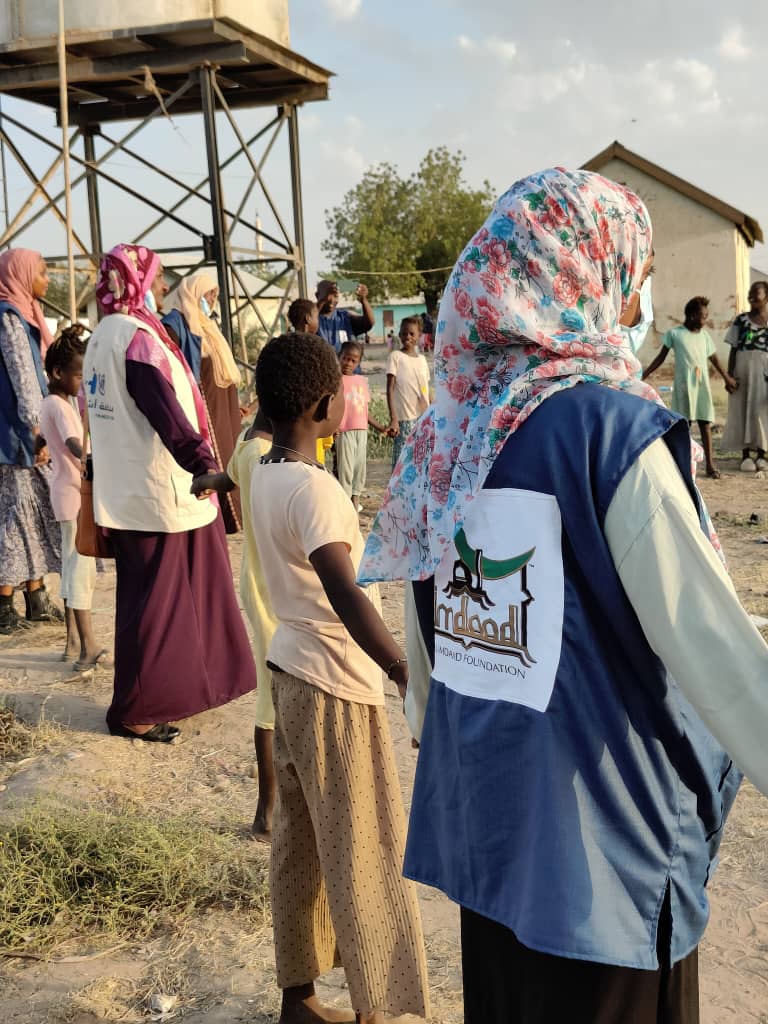
A non-profit charitable organization established in Sudan as a federal and state organization in Khartoum State in August 2022 and was certified in July 2023 in Al-Jazeera Al-Khadra State. It has no political affiliation and was established for the purpose of voluntary charitable work. It is the other face of the Amal Foundation Organization.

Sails of Hope Goals

Leaf

Documenting and strengthening social ties between members of society and spreading affection and cooperation

Leaf

Contribute to supporting the health sector, health convoys, health survey and its development

Leaf

Contributing to reducing and preventing negative phenomena in society, such as drug addiction and others.

Leaf

Qualifying human cadres by enhancing training courses

Leaf

Contribute to the environmental sanitation process

Leaf

Support for nursing homes for the elderly, orphans and children

Leaf

Contribute to the establishment and management of shelters

Leaf

Promote education

vision

Vision

Sails of Hope Organization seeks to build a Sudanese society that enjoys peace, stability and prosperity by providing humanitarian support and sustainable development to the most needy groups.
Our ambition is to be a pioneer in improving the quality of life and promoting human dignity by providing comprehensive services including shelter, food, education, healthcare, water and sanitation services, with a focus on community empowerment and sustainable local development.

vision vision

Our Value

Trust

Transparency

Continuous development

Cooperation and solidarity

Teamwork culture

Justice and equality

Our Program

Prog-1

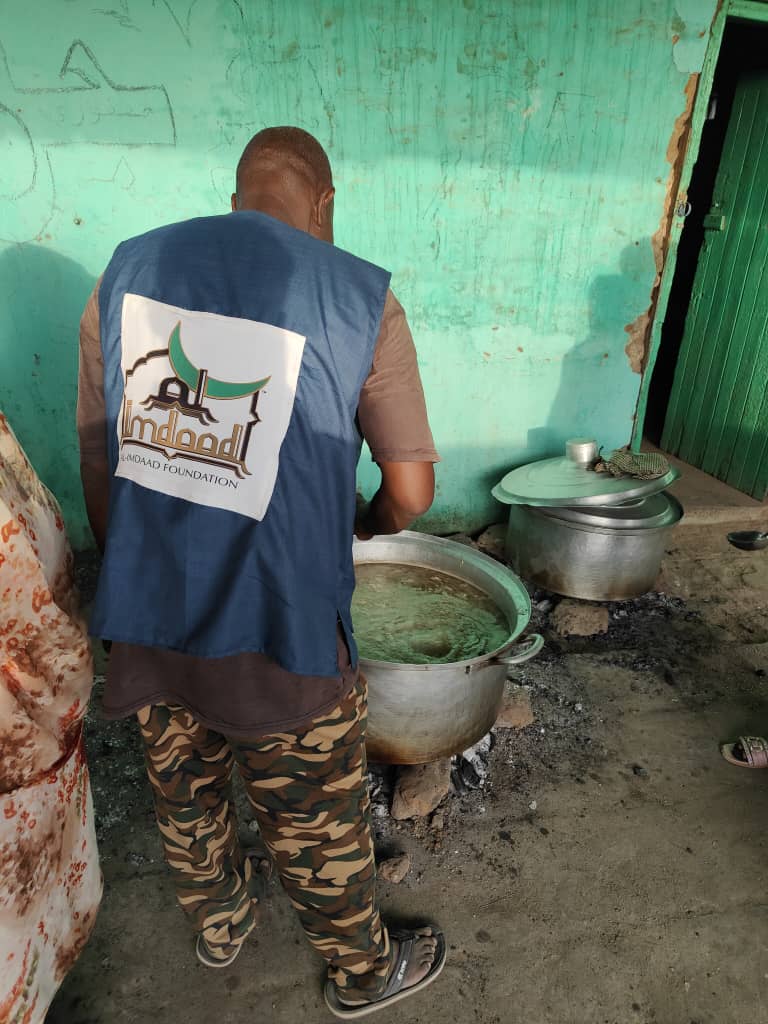
Food Security

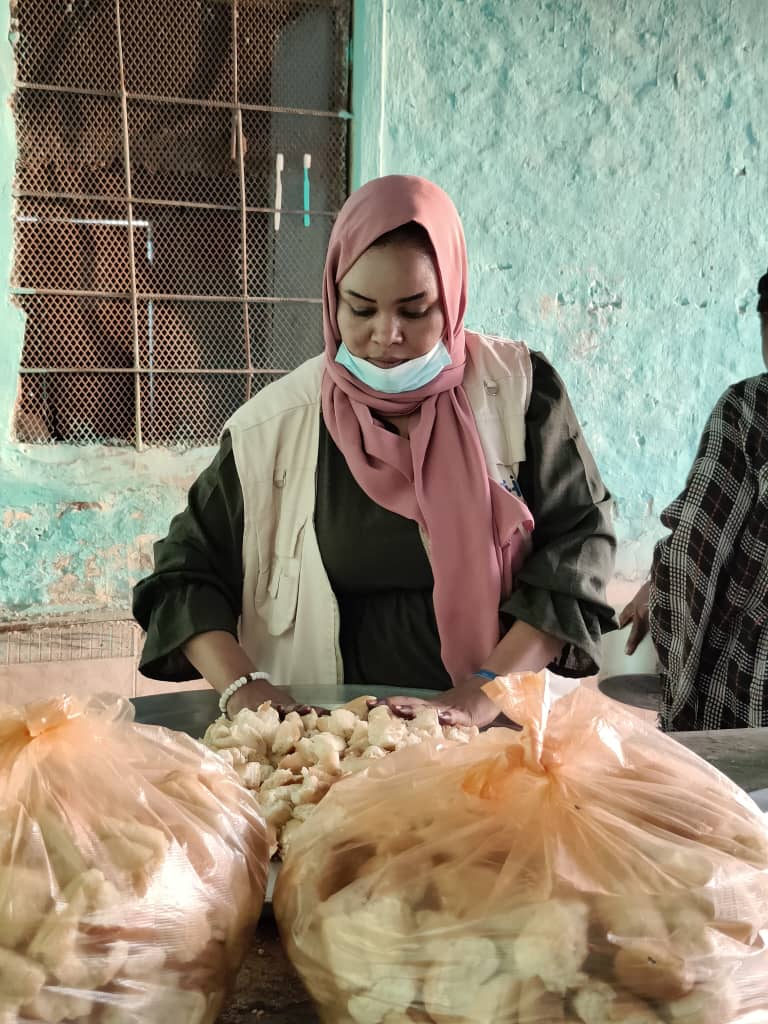
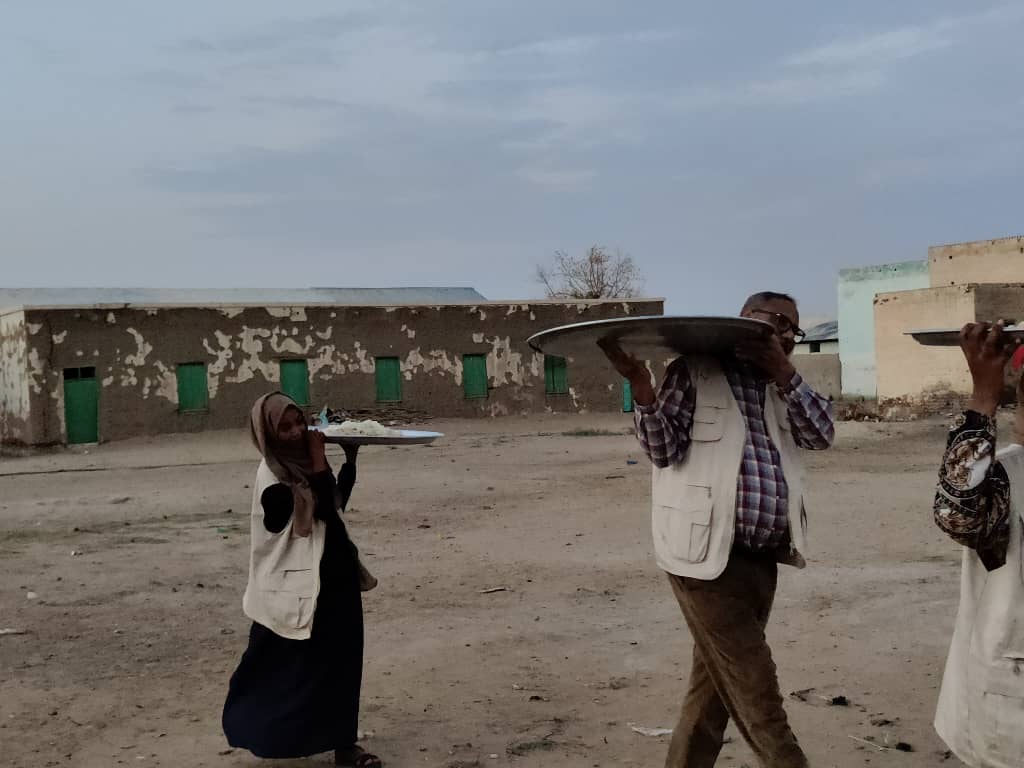
Food security in organizations refers to the ability of an institution or a country to ensure that all individuals have consistent access to sufficient, safe, nutritious, and sustainably sourced food at all times. This is achieved through efficient supply chains, fair production and distribution policies, and proactive crisis management strategies. It is based on four key pillars: 1. Availability: Adequate food supply at the national and organizational level. 2. Accessibility: Physical and economic access to food for all people. 3. Stability: Reliable access to food without risks of disruption or shortages. 4. Utilization: Appropriate use of food based on knowledge of nutrition and care. 📌 Organizations use this concept to guide policies on food distribution, emergency preparedness, supply chain management, and sustainable agricultural practices.


Prog-1

Health and Nutrition

Health and nutrition in organizations refer to the set of policies, practices, and programs implemented by institutions (governmental, humanitarian, or nonprofit) to improve individuals’ health and ensure access to adequate, balanced, and safe nutrition, aiming for physical, mental, and social well-being. It focuses on three core pillars: 1. Public Health: Providing access to healthcare services, disease prevention, and health promotion. 2. Proper Nutrition: Ensuring availability and intake of balanced food rich in essential nutrients (proteins, vitamins, minerals...). 3. Institutional Policies & Interventions: Developing evidence-based strategies to tackle malnutrition, obesity, and micronutrient deficiencies, especially among vulnerable groups (children, women, elderly).

Prog-1

education

The education sector within organizations refers to the department or functional area responsible for designing, implementing, and evaluating educational and training programs, either for internal staff development or for external beneficiaries, with the goal of capacity building, skill enhancement, and sustainable development. This sector typically covers: 1. Internal Education: Staff training, leadership development, and professional skills enhancement. 2. Community-Based Education: Educational programs for beneficiaries (e.g., refugees, children in crisis, marginalized groups). 3. Educational Policy Design: Developing strategies aligned with the organization’s mission and development goals. 4. Academic and Technical Partnerships: Collaborating with universities and institutions to deliver high-quality education.

Prog-1

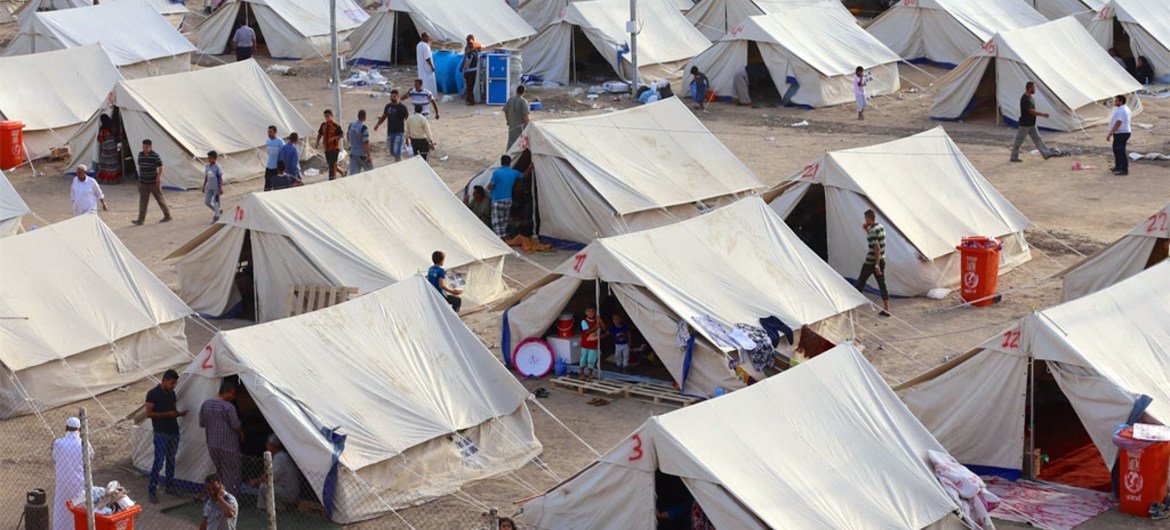
Shelter and Settlements

The Shelter and Settlements Sector refers to the specialized field concerned with providing temporary or permanent housing solutions for individuals affected by emergencies such as natural disasters, armed conflicts, or forced displacement. This sector encompasses the planning, design, implementation, and maintenance of shelters and basic infrastructure to ensure safety, dignity, and adequate living conditions. Key components of this sector include: 1. Shelter Provision: Distribution of tents, temporary housing units, or repairs to damaged homes. 2. Settlement Planning: Organized layout of living areas with access to water, sanitation, lighting, and roads. 3. Basic Infrastructure: Installation of sanitation facilities, kitchens, and waste management systems. 4. Sustainability & Local Integration: Facilitating the transition from emergency shelter to permanent housing, integrating affected populations into host communities.

Prog-1

Protection

The Protection Sector in organizations refers to the range of policies, actions, and mechanisms aimed at ensuring the safety, dignity, and rights of individuals affected by emergencies (such as armed conflict, disasters, or displacement), while working to prevent or reduce risks to their life, freedom, or physical and mental well-being. Core components of the protection sector include: 1. Risk Identification and Response: Addressing threats like gender-based violence, human trafficking, or child recruitment. 2. Legal Advocacy: Promoting human rights and providing legal support to vulnerable populations. 3.Safe Spaces Provision: Especially for women and children to receive psychosocial and protection services. 4.Case Documentation and Registration: Such as refugee registration, identity verification, or tracing missing persons. 5.Referral Mechanisms: Connecting individuals to specialized services (health, legal aid, psychosocial support).

Prog-1

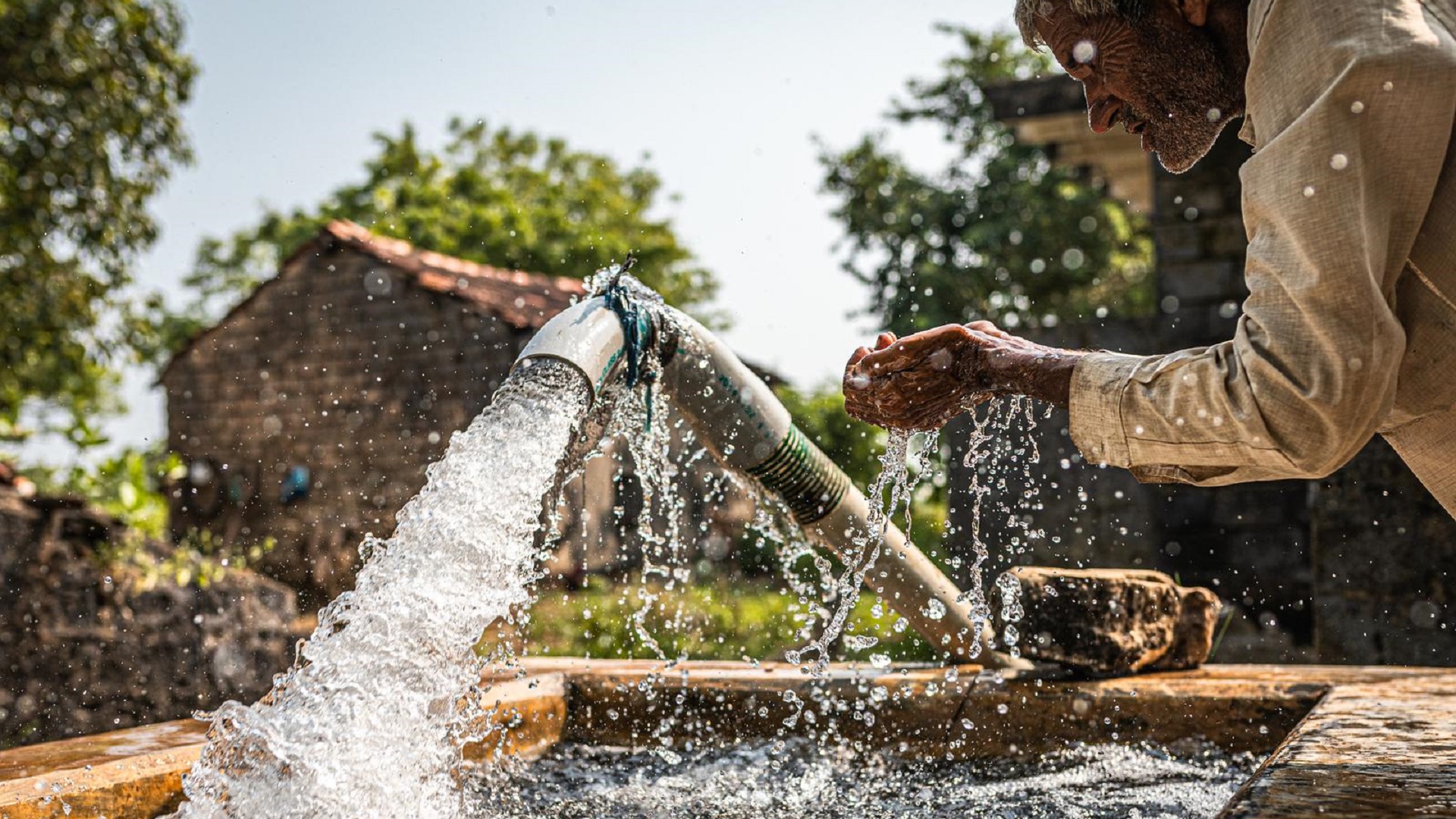
Water and Environmental Sanitation

Water and Environmental SWater and Environmental Sanitation: Water: The availability of clean, safe water for drinking and everyday use (such as cooking, washing, and personal hygiene). It must be free of germs and pollutants to prevent disease. 🚿🌊 Environmental Sanitation (Sanitation): All methods and systems that help dispose of human waste (such as urine and feces) in a healthy and safe manner without polluting the environment or transmitting disease. 🚽✅anitation

Sails of Hope Organization Numbers

Thank you for your kindness

Total Donations

55,650,100

Sudanese pound

Number of beneficiaries

5,650,100

Beneficiary

Donation operations

76,100

Donate process

Programs

60

Program